
Lily, Finn, Piper, and the Repair That Needed More Than “Sorry”: Social Repair at Poplar Hollow
When Piper tears Lily’s banner and Finn’s joke adds to the embarrassment, a quick “sorry” cannot repair everything. Learn how children can listen to impact, take responsibility, make practical repairs, respect boundaries, and rebuild trust through changed behavior.
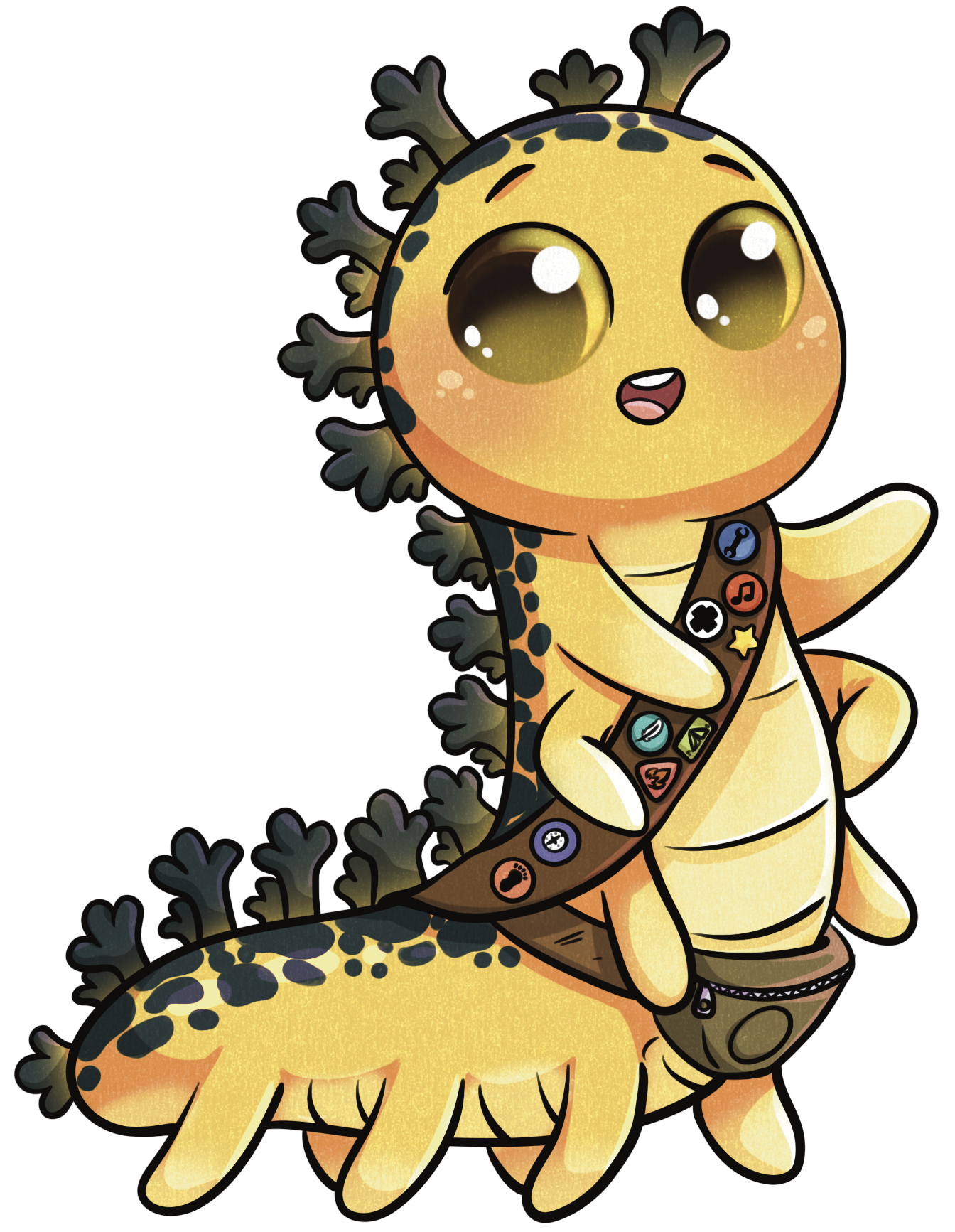
Finn and the Voice That Made Every Mistake Bigger: Self-Compassion at Poplar Hollow
When Finn discovers that one of his trail signs points in the wrong direction, his mind turns a repairable mistake into proof that he ruins everything. Learn how self-compassion helps children acknowledge what happened, reduce shame, repair mistakes, and speak to themselves with honesty and care.
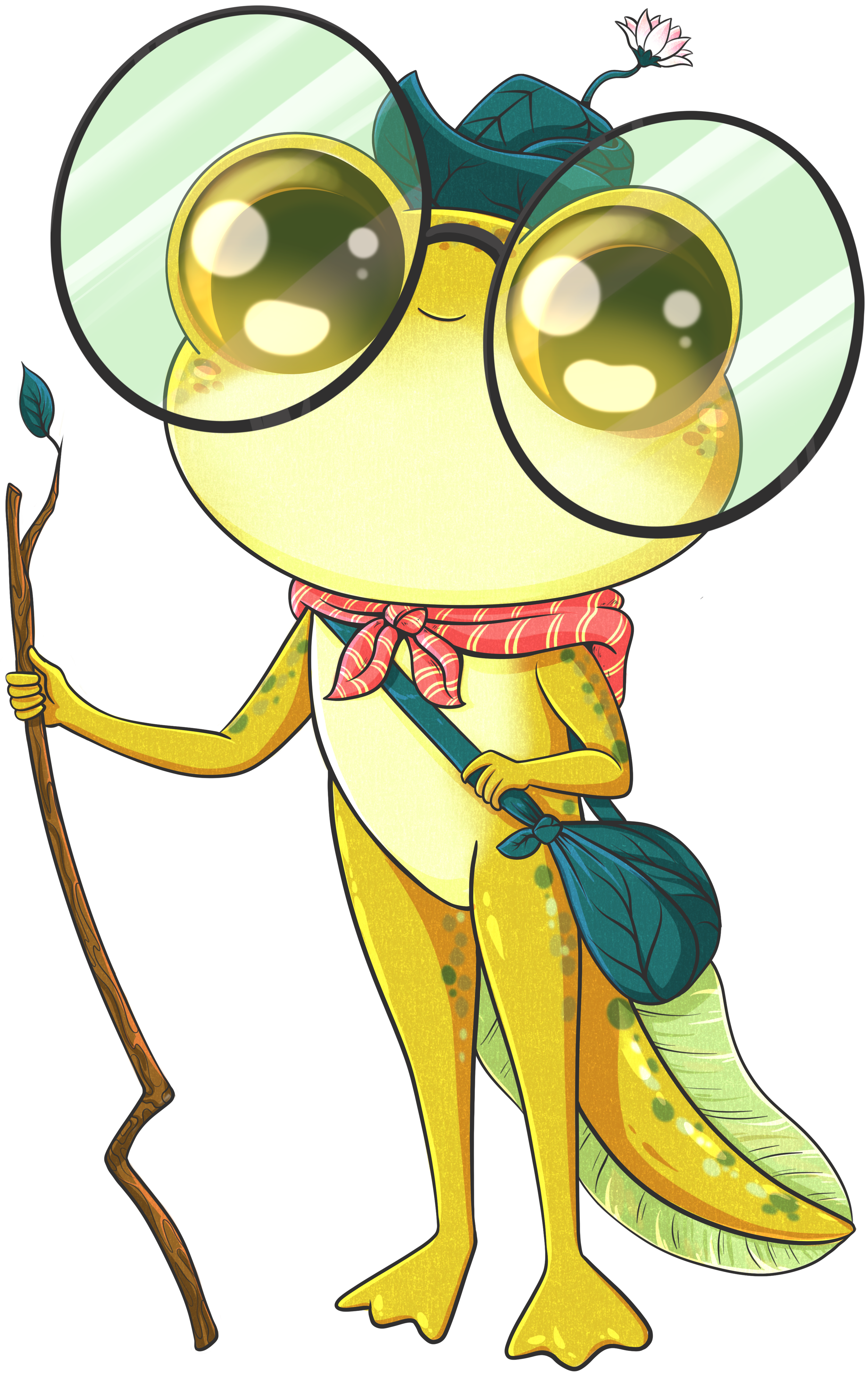
Lily and the Canoe That Stayed Beside the Dock: Tiny Steps for Anxiety at Poplar Hollow
Lily wants to join the Poplar Hollow canoe trip, but anxiety keeps her beside the supply shed. Learn how the TRY skill helps children break safe challenges into tiny steps, repeat manageable practice, and build confidence through steady growth.
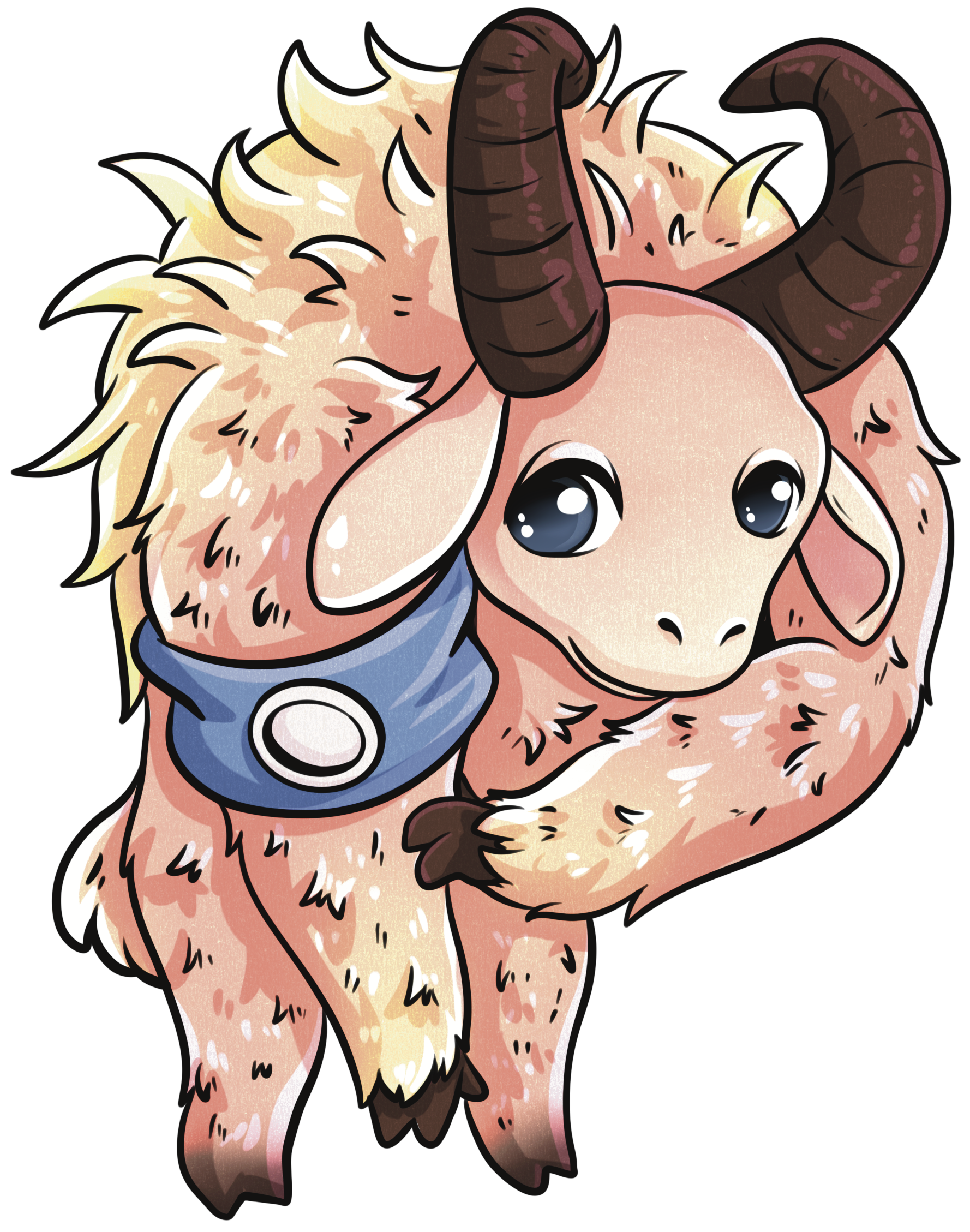
Soren and the Moment That Was Already Here: Mindfulness and Co-Regulation at Poplar Hollow
Soren sits beside the Poplar Hollow campfire, but his mind is already racing through tomorrow’s possible problems. With Sal’s steady presence, he learns that mindfulness does not require an empty mind or instant calm. It begins by noticing what is happening right now and choosing what comes next.

Three Campers, One Trail, and More Than One Good Plan: Flexible Thinking at Poplar Hollow
When a fallen tree blocks Soren’s carefully planned route, he believes the entire hike is ruined. With help from Su and Jasper, the campers learn how to separate the goal from the original plan, use both-and thinking, consider different perspectives, and choose another workable path.
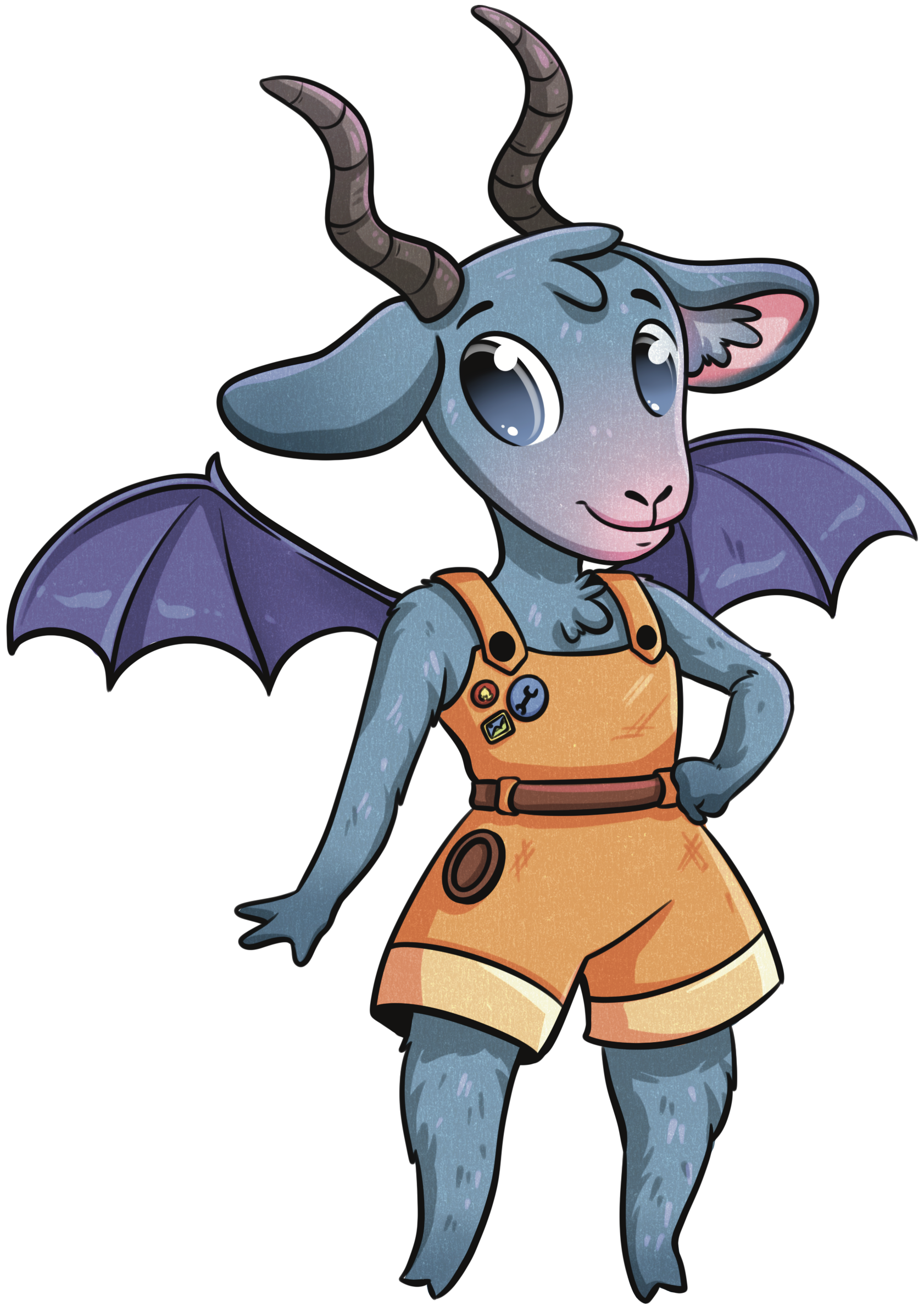
Piper and the Lantern That Would Not Cooperate: Frustration Tolerance at Poplar Hollow
When Piper’s lantern keeps falling apart, frustration tells her to push harder and then destroy the whole project. Learn how children can notice rising frustration, regulate their bodies, identify the real obstacle, and choose whether to retry, adjust, ask for help, pause, or stop.
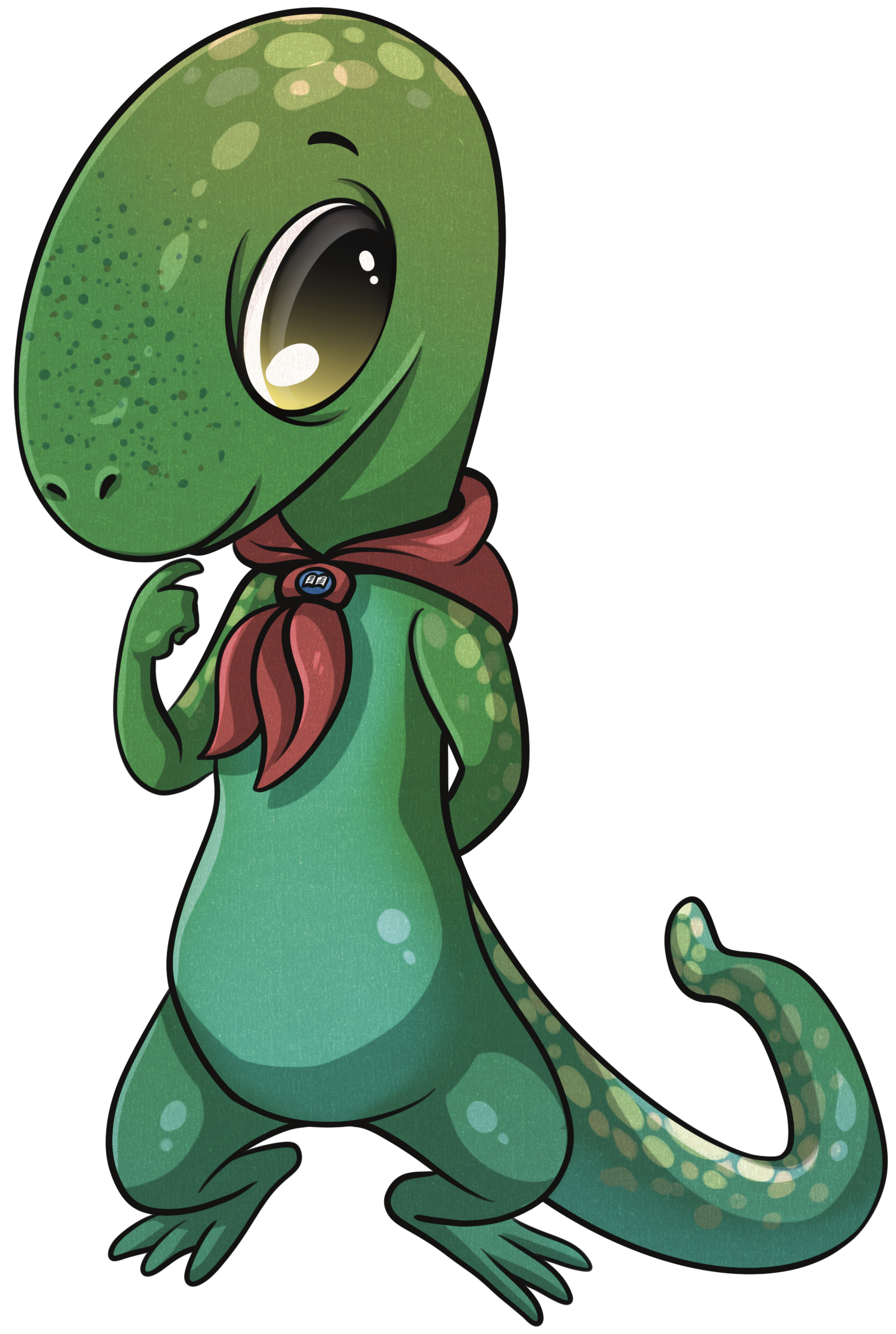
Owen and the Bridge That Would Not Stay Put: Problem Solving at Poplar Hollow
When a crooked bridge disrupts Owen’s lantern-making plan, he assumes the whole afternoon is ruined. Learn how the PAWS skill helps children define the real problem, compare safe choices, ask for help, and take one workable step forward.

Bo and the Step He Did Not Feel Ready to Take: Opposite Action at Poplar Hollow
Bo wants to lead the campfire rhythm, but when the moment arrives, fear tells him to run. Learn how Opposite Action helps children notice emotional urges, check for safety, and take small steps toward what matters even when they do not feel ready.
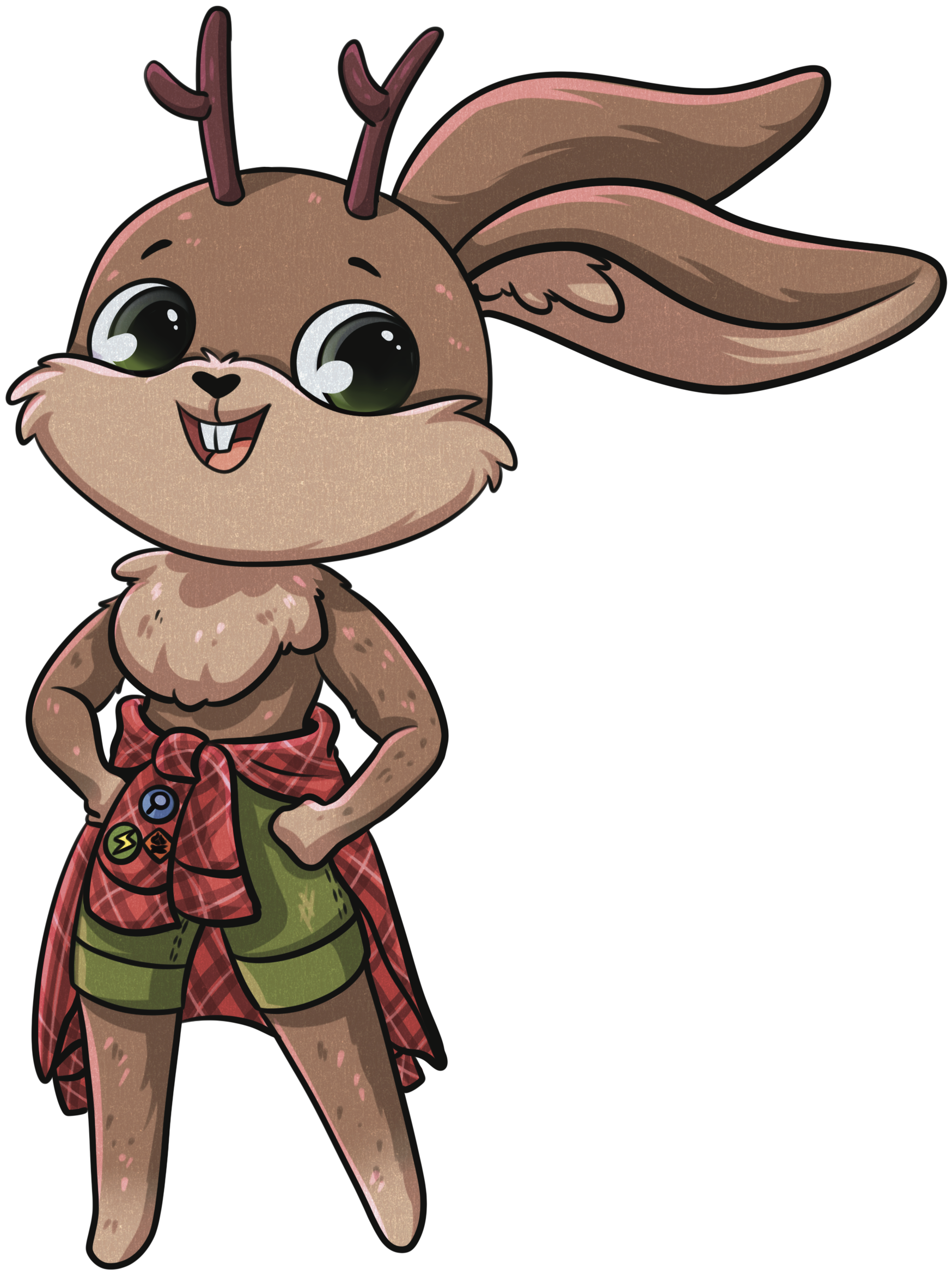
Jasper and the Story His Brain Told Too Fast: Cognitive Reframing at Poplar Hollow
After one missed jump, Jasper’s brain decides that he ruins everything and everyone thinks he is terrible. Learn how the TAIL skill helps children slow down automatic thoughts, investigate the evidence, and find a more balanced way to understand difficult moments.
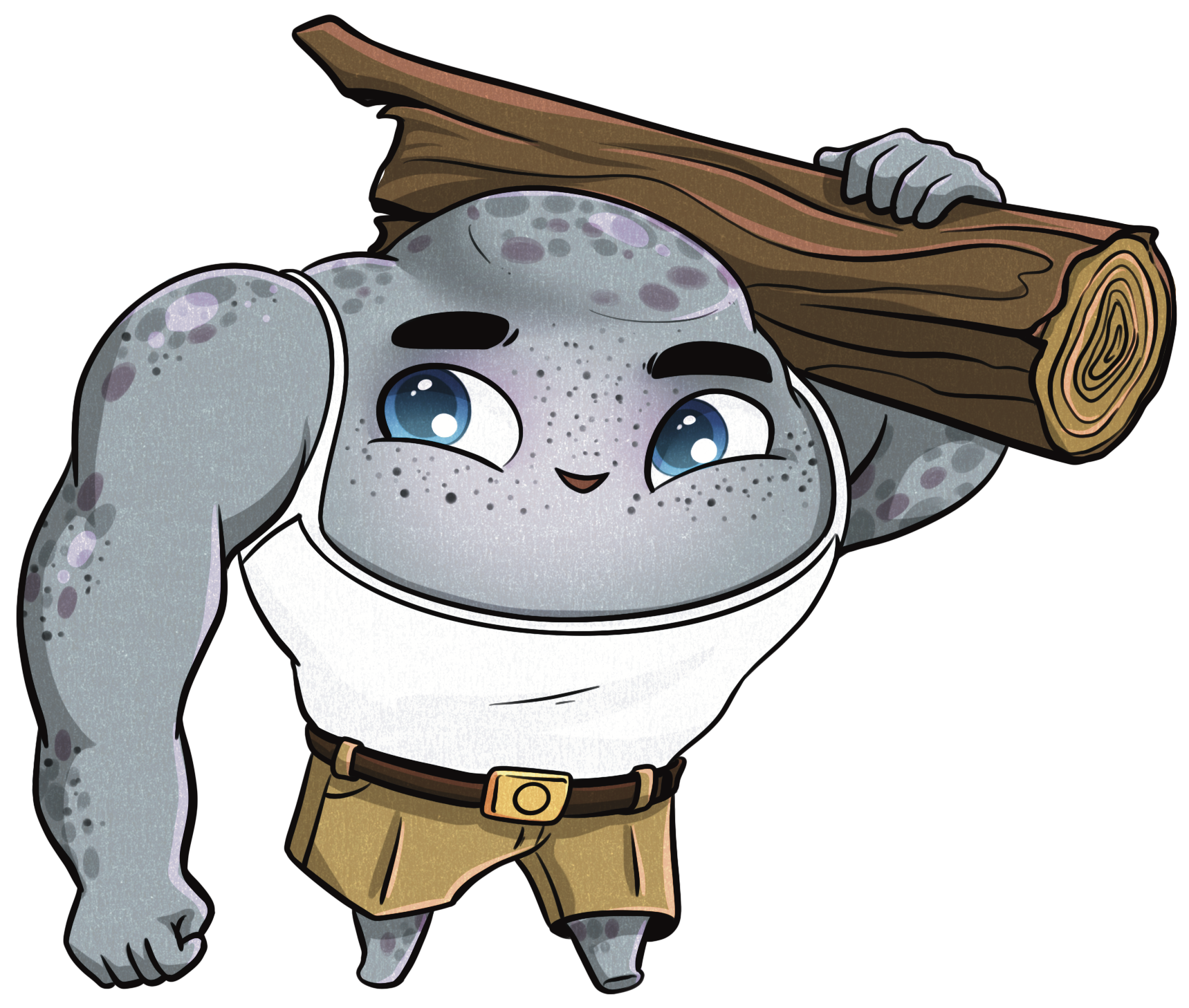
When One Calm-Down Trick Is Not Enough: Advanced NEST at Poplar Hollow
One calming strategy will not work for every child or every stress response. Join Bo, Owen, and Maya at Poplar Hollow as they learn Advanced NEST: a flexible way to notice body signals, soothe the senses, release tension, and find the support their bodies need.